Education

For Educators Who Give Everything to Their Students and Nothing to Themselves
You can't pour from an empty cup. But you keep trying.

The Reality of Education Burnout

Administrators, professors, and educational leaders entered this field to make a difference. To shape minds. To change lives. To be the adult who shows up for students the way someone once showed up for you. But somewhere between lesson planning, parent emails, administrative mandates, standardized testing pressure, and everything else on your plate—you lost yourself.

You're running on empty. And you're starting to resent the work you once loved.
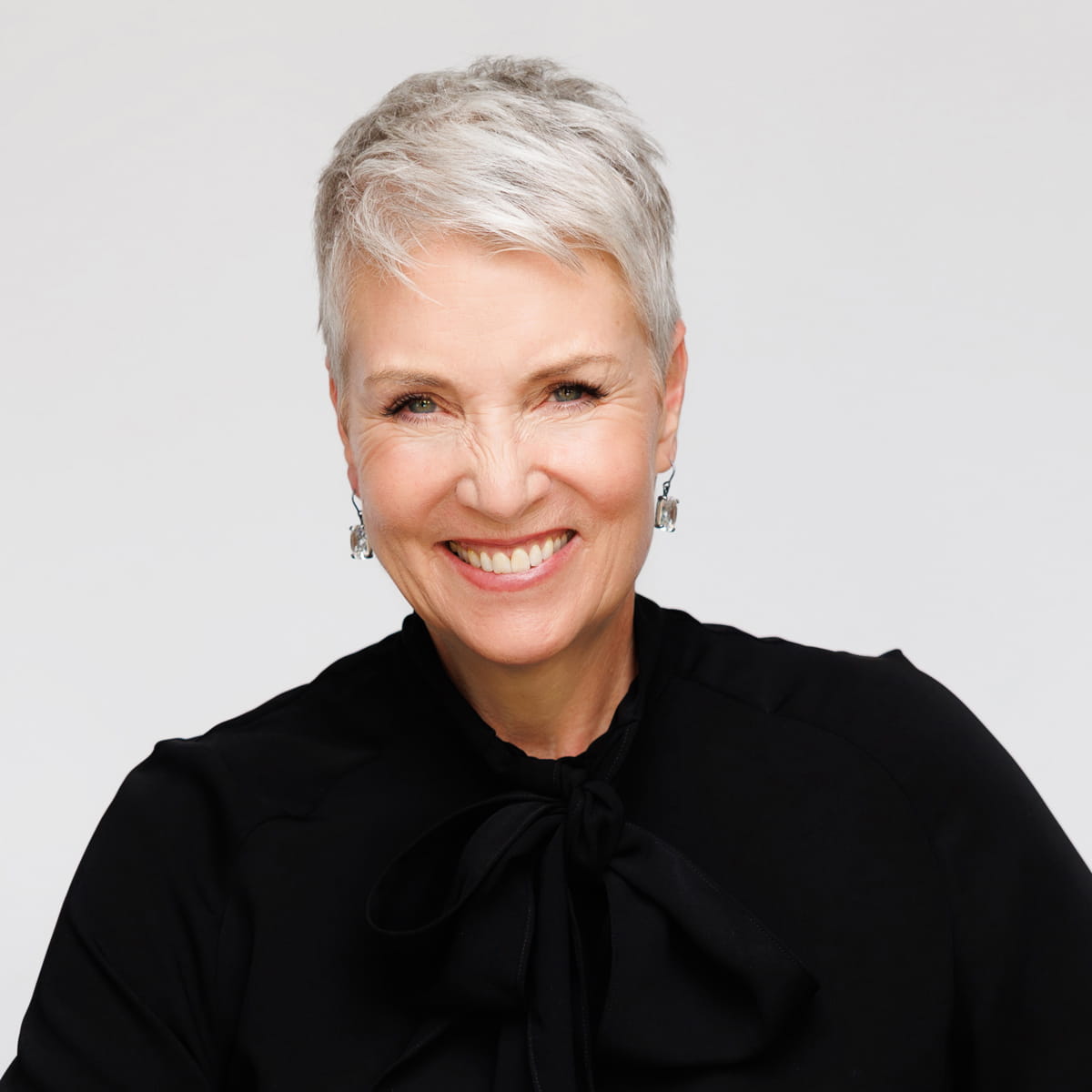
A smiling woman with short gray hair wearing a black top with a bow and earrings, posing against a plain white background.

The Unique Pressures Educators Face

The Impossible Standards

You're expected to be professor, counselor, parent, social worker, mentor, and administrator—often without adequate resources or support.

The Always-On Culture

Emails at 10pm. Grading on weekends. Lesson planning over summer "break." There's no clock-out time when you care this much.

The Emotional Labor

You absorb students' trauma, families' stress, colleagues' frustrations. You're carrying weight that isn't yours—but nobody's teaching you how to set it down.

The Martyrdom Expectation

Good educators sacrifice for their students. That's the unspoken rule. Self-care feels selfish. Taking a day off feels like abandonment.

The Comparison Trap

That educator down the hall seems to do it all effortlessly. Their classroom looks perfect. Their students are engaged. Meanwhile, you're drowning.

The Systemic Dysfunction

Inadequate funding. Administrative bloat. Policy changes that make no sense. You're trying to teach while the system works against you.

How Katie Helps Education Professionals

For Individual Educators

Katie's 1:1 coaching addresses the specific challenges teachers and professors face:

  • Boundary-setting without guilt (you're not abandoning students by having limits)
  • Emotional resilience strategies for managing vicarious trauma
  • Sustainable grading/planning systems that don't consume your life
  • Self-compassion to replace the inner critic saying you're never doing enough
  • Career transition support if you're considering leaving education
  • Preventing or recovering from teacher burnout
For Educational Institutions

Katie's training programs address systemic wellness challenges:

Self-Care Isn't Selfish for Educators:
Specifically designed for educators, this program addresses the unique guilt and martyrdom culture in education.

Sustainable Performance for Academic Leaders:
Help administrators, department heads, and professors model wellbeing from the top.

Team Wellness for Faculty:
Build peer support systems and collective resilience practices.

Women's Leadership in Education:
Address the additional pressures women educators face, from unpaid emotional labor to imposter syndrome.

What Katie Understands About Education

The Caring Profession Paradox

You entered education because you care deeply. But that care is being weaponized against you—used to justify impossible workloads and inadequate support.

Katie helps you maintain your care without sacrificing yourself.

The Summer Break Illusion

But you get summers off! People who say this don't understand that:

  • You're often working summer school or second jobs
  • You're planning next year unpaid
  • You're recovering from 10 months of depletion
  • The "break" doesn't make up for systemic burnout
The Purpose vs. Exhaustion Conflict

You still believe in education. You still want to make a difference. But you're so exhausted you can barely show up.

Katie helps you reconnect with your purpose without the burnout.

Common Challenges Katie Addresses with Educators

  • Chronic emotional exhaustion and compassion fatigue
  • Inability to "turn off" after the school day
  • Guilt about setting any boundaries
  • Resentment toward the profession you once loved
  • Sunday night anxiety and dread
  • Feeling trapped (financially, professionally, emotionally)
  • Imposter syndrome despite years of experience
  • Difficulty saying no to extra duties/committees
  • Physical symptoms of chronic stress
  • Considering leaving education but feeling guilty

Industry-Specific Outcomes

Based on work with education professionals:

  • Sustainable grading and planning systems (reclaim your weekends)
  • Effective boundaries with students and parents (without guilt)
  • Reduced compassion fatigue and emotional exhaustion
  • Improved classroom presence (rest improves teaching)
  • Healthier relationships outside school (you have energy left)
  • Career clarity (stay or go, but decide from empowerment, not desperation)
  • Administrative teams modeling sustainable leadership
  • Faculty peer support networks that actually work

Past Clients in Education

Katie has worked with:
  • College and university faculty
  • School administrators and department heads
  • Educational leadership teams
  • Professional development coordinators
  • Teacher preparation programs

Katie-isms for Educators

Self-care is parenting ourselves.
Teach students how to adult by role modeling self-care.
Be a mentor and model, not a martyr.
Taking care of you is taking care of business.
Your students need the best version of you, not the depleted version.
Self-neglect is selfish.
When you show up exhausted and resentful, everyone loses.

Special Focus: Women in Education

Women make up the majority of educators—and carry disproportionate emotional labor, classroom management burden, and unpaid committee work. And then many go home to tend to the household and family.

For Individual women educators

Katie's work with women educators addresses:

  • The "good girl" conditioning that makes saying no impossible
  • Unpaid emotional labor that's expected from women teachers
  • The impossible standards (perfect classroom + perfect mother + perfect partner)
  • Guilt that's unique to women in caring professions
For Educational Institutions: Creating Sustainable Cultures

Educational burnout isn't an individual problem. It's a systemic issue.

Katie works with schools and universities to:

  • Audit institutional practices contributing to burnout
  • Create wellness initiatives that actually work (not pizza parties)
  • Train leaders to model sustainable practices
  • Build peer support structures
  • Address policy changes that support wellbeing

This isn't about asking professors and educators to do more. It's about creating systems that support them better.